
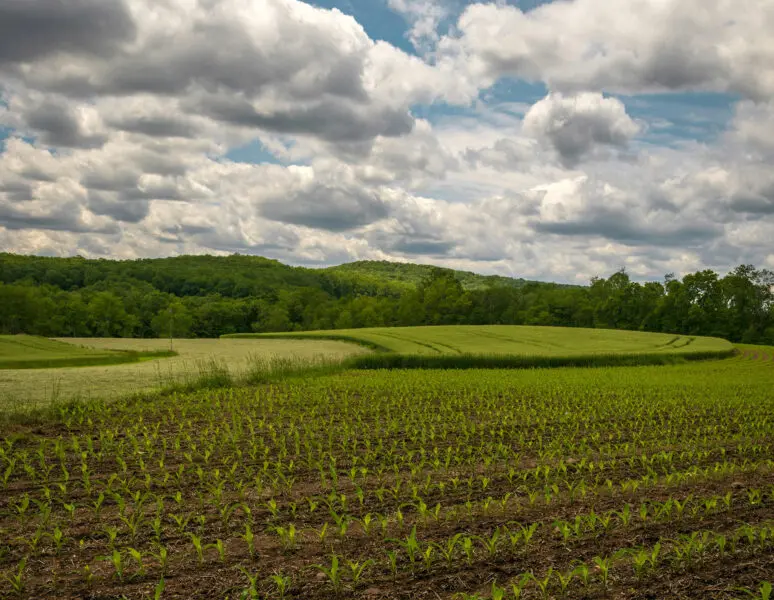
There’s a particular kind of morning you don’t get in the suburbs. The kind where the only sound is wind moving through a cornfield, and the view from your kitchen window is yours alone. For a growing number of families and professionals, that’s exactly the life they’re building in rural Lebanon County and across Central Pennsylvania.
But making the move from a suburban or urban setting to a rural one is more than a change of scenery. It comes with a different set of infrastructure realities, permitting processes, and daily rhythms. If you’re thinking about building a custom home outside of town, here’s an honest look at what to expect.
Utilities Work Differently Out Here
This is the most practical adjustment for anyone coming from a connected neighborhood, and it’s worth understanding early in the planning process.
Water: You’ll likely have a well.
Most rural properties in Lebanon County and Central PA aren’t connected to a public water supply. That means a private well, drilled into the groundwater below your property. In Pennsylvania, over three million residents rely on private water systems, and a well-built, properly maintained well serves a family reliably for decades. When building new, your well location must meet setback requirements from your septic system and other potential contaminants, so site planning matters.
Waste: Septic, not sewer.
Roughly a quarter of all Pennsylvania households use on-lot septic systems, and in rural areas, it’s closer to the rule than the exception. A conventional septic system consists of a tank and a drainfield, where treated wastewater disperses into the soil. The type of system permitted on your lot depends on soil conditions, slope, depth to the water table, and lot size. Your builder and a licensed Sewage Enforcement Officer (SEO) work through this before a permit is issued. Once installed, the main thing to know is maintenance: have your tank inspected every three years and pumped every three to five years, and you’ll have few problems.
Heating: Propane is common.
Natural gas lines often don’t extend into rural areas. Propane is the most common alternative, delivered by truck and stored in a tank on your property. It’s a reliable and widely used fuel source throughout Central PA, and your builder will factor in tank placement during the site design process.
Internet: Verify before you build.
Broadband availability in rural Lebanon County is uneven. Fiber and cable service typically require population density that rural areas don’t have. Options can include fixed wireless, DSL, or satellite internet (services like Starlink have improved rural connectivity significantly in recent years). If remote work is part of your life, this is worth investigating at the address level before you commit to a lot, not after.
Land, Zoning, and Permits Are Locally Governed
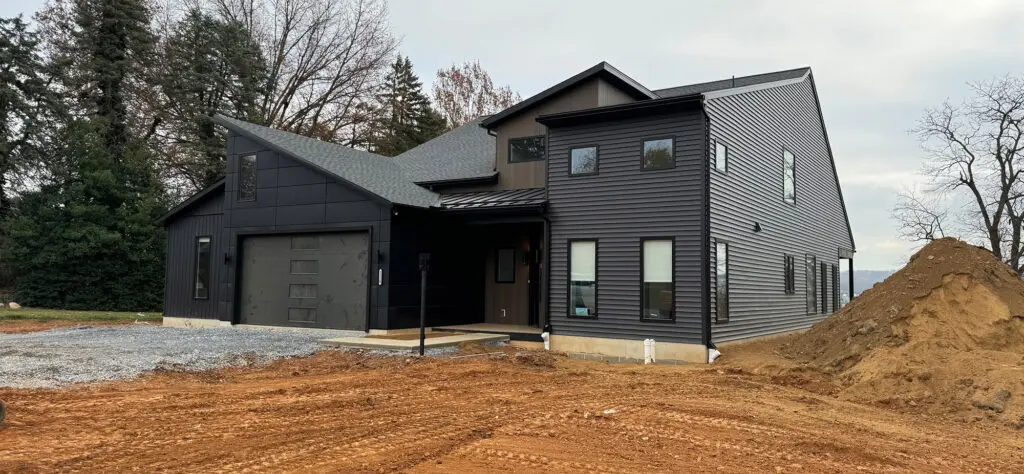
Pennsylvania doesn’t have a single statewide zoning code. Each township sets its own rules, which means lot size requirements, setbacks, permitted uses, and permit processes can vary meaningfully from one municipality to the next, even within Lebanon County.
Before purchasing land or finalizing plans, a few things are worth confirming with the local township:
- Zoning classification and whether residential construction is permitted
- Minimum lot size for on-lot sewage disposal (often one acre or more in rural zones)
- Setback requirements from road frontage, property lines, and utility rights-of-way
- Driveway access requirements, including any required PennDOT permit if your driveway connects to a state road
New home construction in Pennsylvania falls under the Uniform Construction Code (UCC), which governs building permits and inspections statewide. However, townships can adopt local amendments, so your Building Code Official (BCO) is the authoritative source for what applies to your specific lot.
An experienced local builder is genuinely valuable here. Familiarity with how individual townships operate, what their review timelines look like, and which site conditions are most common in the area can prevent delays that cost time and money.
Daily Life Is Different, in Good Ways and Real Ones
This is the part that’s hard to fully appreciate until you’re living it.
The commute requires honest planning.
Lebanon County sits between Harrisburg, Lancaster, and the Hershey area, putting most major employers within 20 to 45 minutes of rural addresses. That’s manageable for many people, and it’s part of why the county has attracted commuters looking for more land and lower housing costs. What it isn’t is walkable, and public transit options are limited outside the borough. For two-car households with predictable schedules, rural Central PA commutes are generally fine. For households with more complex logistics, it’s worth mapping your actual daily routes before choosing a lot.
Shopping and services involve a drive.
Grocery stores, medical offices, and retail are concentrated in Lebanon, Annville, Palmyra, and Myerstown. Rural residents typically plan their errands, not something most people find burdensome once they’re settled into the rhythm, but different from having a shopping center a few minutes away.
The community is tight-knit.
Lebanon County has a strong culture of local involvement, whether that’s township events, agricultural fairs, volunteer fire companies, or the kinds of neighborhoods where people still wave from their driveways. Pennsylvania Dutch heritage runs deep throughout the region, and rural communities tend to have a sense of place that’s harder to find in newer suburban developments.
The outdoors is your backyard.
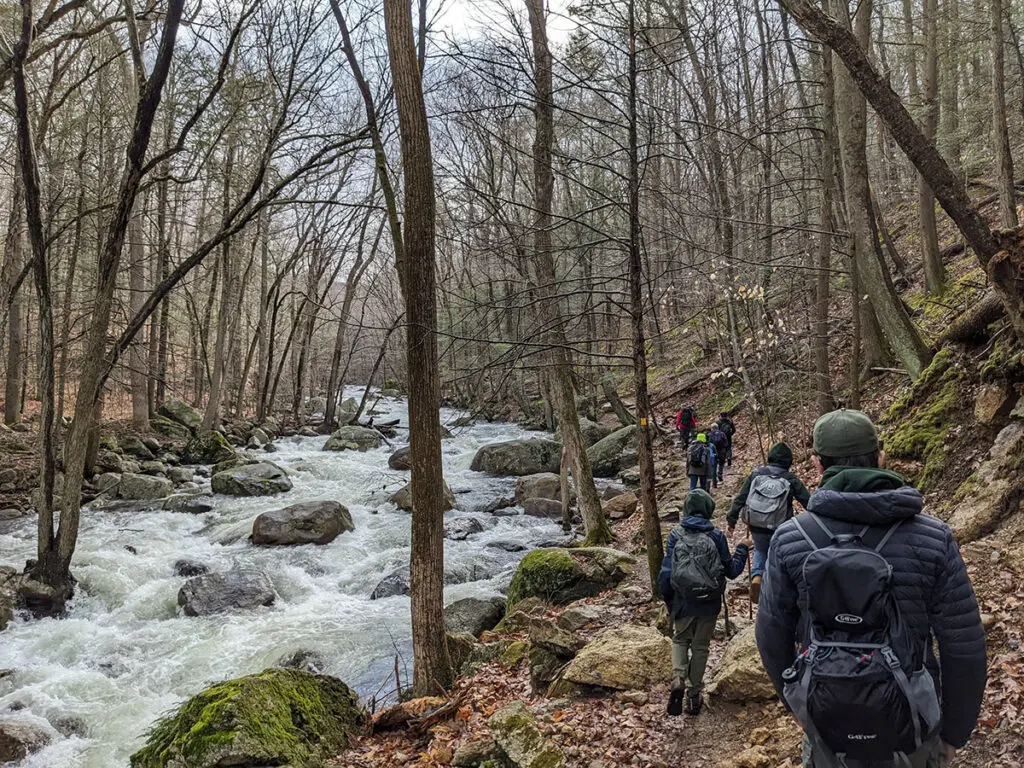
State game lands, parks, and open countryside are woven throughout Central PA. Governor Dick Park in Lebanon County, the Appalachian Trail corridor, and countless township parks and rail trails give rural residents easy access to hiking, hunting, fishing, and simply having room to breathe.
What to Look for in a Builder
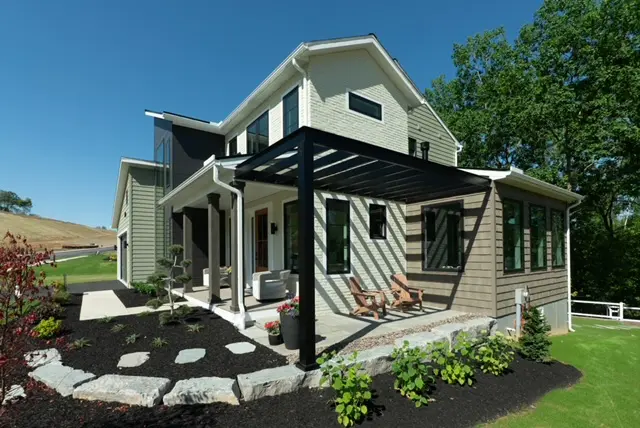
Building in a rural area isn’t the same as building in a subdivision. Site conditions vary, township relationships matter, and experience with well and septic coordination is a real differentiator.
A builder with years of experience in Lebanon County and Central PA has navigated the township permit processes, worked with local SEOs and building officials, and built on the kinds of wooded, sloped, or agricultural lots common to the region. That local knowledge shows up in smoother timelines, fewer surprises, and a home that fits where it’s built.
Rural Pennsylvania isn’t for everyone, and that’s part of what makes it special for the people who choose it. If the pace, the space, and the community feel like the right fit, Central PA is one of the most genuinely livable places in the mid-Atlantic region to put down roots. The process of getting there is manageable with the right team and the right expectations going in.
Interested in building a custom home in Lebanon County or the surrounding area? Contact us to start the conversation.